

 HUMA 142: Can You Take a Joke?* A Big Questions Course
Monday, Wednesday 2:00-3:15 p.m.
CRN: 16229
Instructors: Carly Thomsen; Michael Dango
What makes something funny, socially, politically, and aesthetically? This course guides students through both the critical study of humor and the creative production of comedy in a diverse range of media forms, from stand-up to TikTok. By studying theories of humor and crafting original jokes in a community of peers, students will navigate firsthand the complicated ways that humor gets at the heart of questions of social difference. What does the need to laugh teach us about the human condition? Why do we find some things funny? How do jokes both create group belonging and police group boundaries? How do we account for differences in sense of humor? Is there such a thing as politically correct humor—or should there be? When should we laugh? When shouldn’t we laugh? Who gets to decide? Open to all students.
Satisfies:
*D1
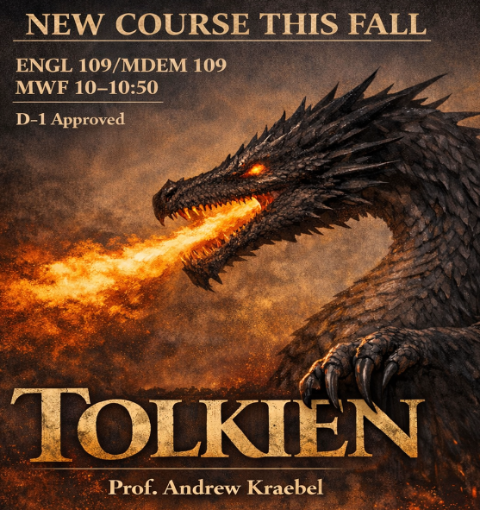 ENGL 109*: JRR Tolkien
Monday, Wednesday, Friday 10:00-10:50 a.m.
CRN: 16217
Instructor: Andrew Kraebel
This introductory-level course is designed to be accessible and, it is hoped, appealing to a broad population of Rice undergraduates across schools and majors. Focusing on a single popular author and scholar, the course aims to introduce undergraduates to major issues and approaches in the humanities – especially the intersection of creative writing and literary scholarship, a major focus of the Department of English and Creative Writing at Rice. Open to all students.
Satisfies:
D1
 ENGL 111*: Banned Books: The Politics of Book Bans, Challenges, and Censorship
Tuesday, Thursday 10:50 a.m.-12:05 p.m.
CRN: 15788
Instructor: Ragini Tharoor Srinivasan
This course examines the historical and contemporary struggles over what books can be read, taught, and circulated. From banned classics to recent controversies over school curricula and public libraries, the course explores how debates about books reflect broader social and political conflicts. Readings will include theoretical and historical perspectives on censorship, as well as primary texts that have been challenged or suppressed in and beyond the US. Open to all students.
Satisfies:
D1
 ENGL 200*: Gateways to Literary Study (two sections offered)
Tuesday, Thursday 10:50 a.m.-12:05 p.m.
Instructor: Scott Derrick
Monday, Wednesday, Friday 10:00-10:50 a.m.
Instructor: Sarah Ellenzweig
This course is designed for and required of all prospective English majors, and should be taken in the first or sophomore year. Emphasis is on close reading, literary interpretation, and critical writing. Attention is paid to the major genres (poetry, drama, and fiction) across a range of historical periods. Open to all students with priority to declared majors and minors.
Note to all current and potential English majors/minors: Due to the popularity of ENGL 200, if the section of ENGL 200 you want appears to be full, please contact the instructor to receive a "special registration/override” via ESTHER.
Satisfies:
*D1
English major core requirement (ENGL): Training the Imagination
English minor core requirement (ENGM): Training the Imagination
English Creative Writing concentration core requirement (ECRW): Training the Imagination
 ENGL 203: Art Writing with Rosa Boshier González
Friday 12:00-2:30 p.m.
CRN: 13780
Instructor: Rosa Boshier González
An introductory creative writing course that invites students to work in multiple genres (fiction, flash fiction, personal essay, memoir, manifestos, cultural criticism) to produce writing inspired by and in response to art. Students will delve into the rich tradition of writing inspired by paintings, sculptures, and photographs, as well as contemporary mediums such as performance art, installation, film, and music videos. Through a combination of creative writing exercises, close reading, and critical analysis, students will develop their ability to translate images into evocative language. The course includes direct engagement with the Houston art scene through group trips to local museums and galleries.
The class will explore a wide range of historical and contemporary examples of art writing, from ancient Greek poetry to experimental writing. We’ll also discuss the theoretical and ethical implications of giving voice to an artwork separate from its maker. As poet Carmen Giménez asks, what does it mean to “speak for” a work of art? How might we enter into a dialogue with the object? Writers studied include Morgan Parker, Raquel Gutiérrez, José Vadi, Robin Costa Lewis, and Eduardo C. Corral.
Later on in the semester, we will expand our understanding of art to include the aesthetic features of the everyday. We’re read journalist Maggie Laing on the beauty of bathroom tiles, poet and essayist Vanessa Angélica Villarreal on therapeutic power of video games, artist Olivia Erlanger on the futurity of garages, and art critic Simon Wu on the romance of a Costco run. Seating in the course is limited.
Satisfies:
English Creative Writing Concentration (ECRW)
Creative Writing Minor (CREW)
 ENGL 214: Literary Editing & Publishing/The Rice Review
Tuesday 6:30-9:00 p.m.
Instructor: Ian Schimmel
In this editing and publishing practicum, enrolled students will serve as senior editors for r2: The Rice Review and organize the various initiatives that are central to the magazine's operation: book distribution, web content creation, campus-wide readings, submissions campaigns, and editorial slush reading. During the semester, students will also have the opportunity to lead book group-style discussions around an author’s work and interview their assigned writer about writing and craft. These interviews will be edited for print and digital publication. As a means to enliven our magazine’s mission and presence, students will also be required to design and distribute their own handmade zine and to attend several outside literary events (~4 per semester). We will use these experiences - as well as assigned readings and discussions - to reflect on the various ways in which literature is defined and promoted, the changing landscape of the publishing industry more broadly, and how the work of The Rice Review participates in that rapidly evolving space. For more information: ianschimmel@gmail.com
Satisfies:
English Creative Writing Concentration (ECRW)
Creative Writing Minor (CREW)
 ENGL 215*: Reading & Writing Medieval Fanfiction
Tuesday, Thursday 9:25-10:40 a.m.
Instructor: Emily Houlik-Ritchey
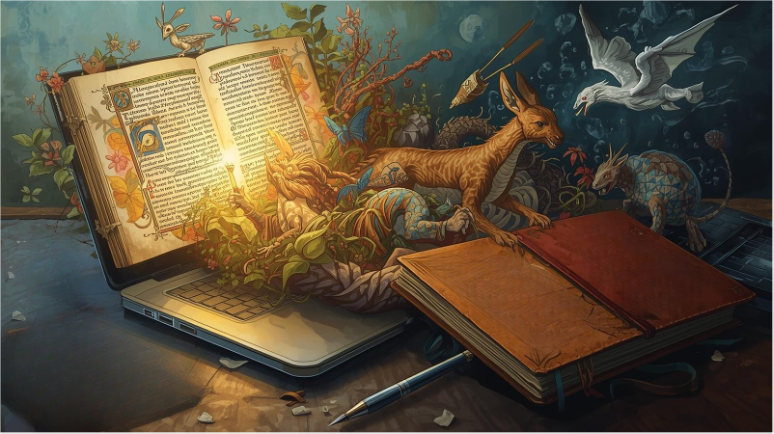
Medieval literature did not value “originality” in its storytelling the way we often do today. To retell someone else’s story – for the purposes of celebration, mischief, or aggression – was the epitome of literary art in the medieval world. Chaucer’s Canterbury Tales is a playful nod in form and tone to Boccaccio’s Decameron, just as Henryson’s Testament of Cresseid is a mischevious homage to Chaucer’s Troilus and Criseyde. Artists today continue to fanfic Chaucer, from the animated Canterbury Tales; to Patience Agbabi’s celebrated poetry collection, Telling Tales; to Ufuoma Overo-Tarimo’s Nigerian Pigin play The Miller’s Tale: Wahala Dey O! Through both creative and analytical assignments, we will explore fanfic as a mode of criticism and interpretation as well as mode of creative enjoyment. With the strange and surprising field of medieval literature as our inspiration, I promise that you’ll find plenty to inspire you: things to rave about, rant about, ridicule, and make your own.
Satisfies:
English major core requirement (ENGL): Historical Foundations - periods before 1800
English minor core requirement (ENGL): Historical Foundations - periods before 1800
English major specialization: Literature & Literary History (LLH)
 ENGL 249*: Bob Dylan and the Intertwined Histories of Music, Politics, & Race in 20th Century U.S. Culture
Tuesday, Thursday 4:00-5:15 p.m.
Instructor: Scott Derrick
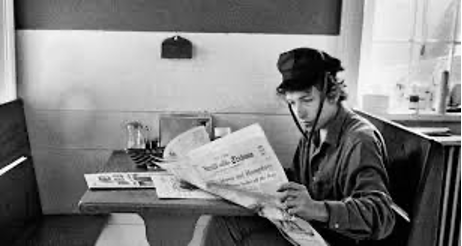
This course focuses on Bob Dylan. It begins by looking at the musical traditions he absorbs and their relation to race. It examines influential “beat” movement figures such as Ginsberg and Kerouac. It focuses on the relation of Dylan’s crucial sixties albums to the social turmoil of the decade. This course is open to all Rice students.
Satisfies:
*D1
English major specializations: Culture & Social Change (CSC); Visual & Comparative Media (VCM)
 ENGL 250*: The Novel & its Cultural Power: Storytelling & Worldmaking
Monday, Wednesday, Friday 9:00-9:50 a.m.
Instructor: Heather King
Course designed to introduce students to the intellectual, historical and aesthetic importance of the novelistic tradition. Selection of works from the 19th century to the present may include Austen, Dickens, Flaubert, James, Woolf, Ellison, Nabokov, Rushdie, and Franzen, and others.
Satisfies:
*D1
English major specialization: Literature & Literary History (LLH)
 ENGL 251*: Reading Poetry (formerly Masterworks of Poetry)
Tuesday, Thursday 2:30-3:45 p.m.
Instructor: Joseph Campana
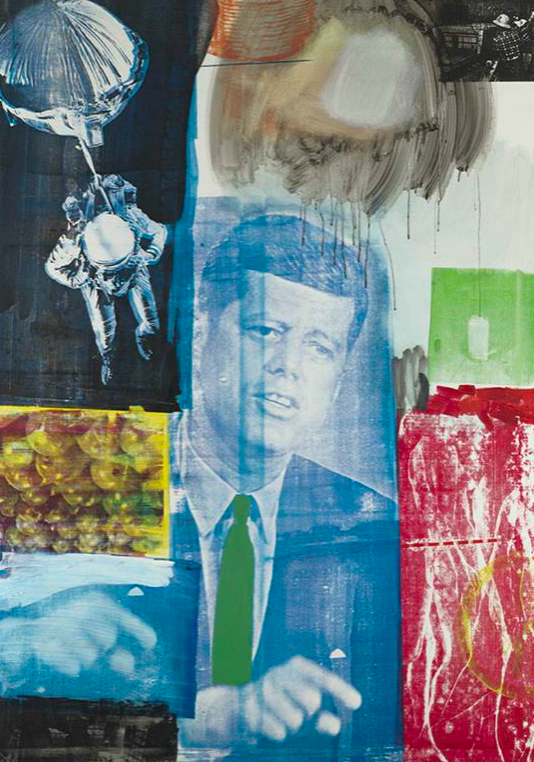
Why and how do poems matter? What's a poem (or are definitions not helpful)? Why do so many say they "don't understand poetry"? Do critics and poets read poetry differently? What do poems do compared to story-based genres and media? Compared to visual genres and media? Why read poems from centuries past? In translation? What kinds of poems have people written? How have they built poems (with what rhythm and rhyme, shape and form) across time and across cultures? What's the difference between a lyric poem and a song lyric? Let's try to answer these questions and more. Open to all students.
Satisfies:
*D1
English major specialization: Literature & Literary History (LLH)
 ENGL 260*: What is American Literature?
Monday, Wednesday, Friday 10:00-10:50 a. m.
Instructor: Madison Lacy
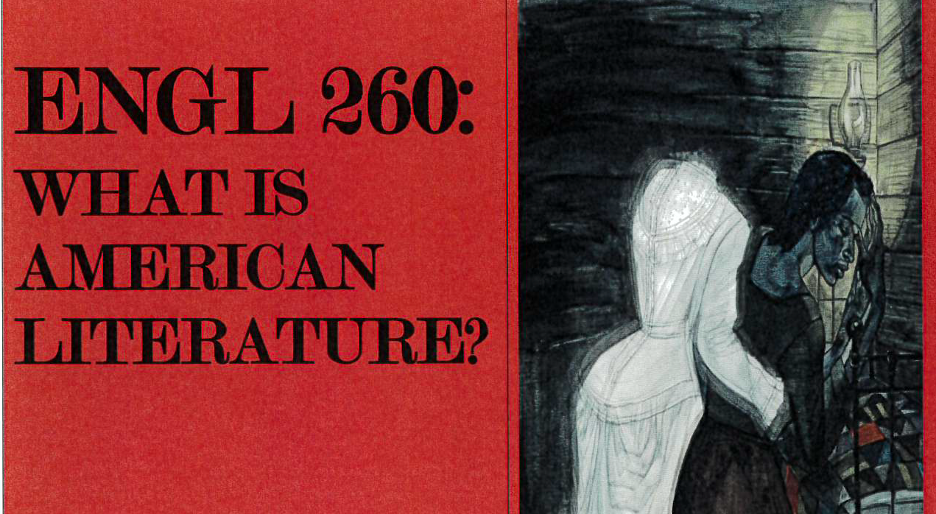
An introductory survey of representative U.S. authors from the 18th century to the present designed for both majors and non-majors. Authors will vary semester to semester.
Satisfies:
*D1
Analyzing Diversity (AD)
English major specializations: Culture & Social Change (CSC); Literature & Literary History (LLH)
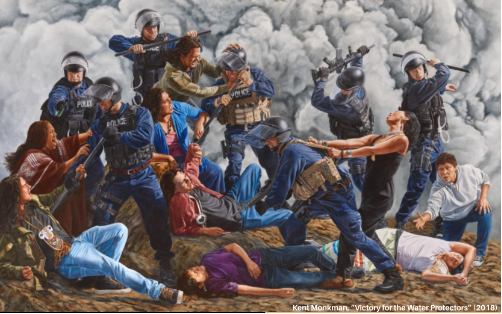 ENGL 268: Native American Literature
Monday, Wednesday, Friday 11:00-11:50 a. m.
Instructor: Kate Louthain
This multi-genre course introduces students to Native American literature through the contemporary novel, autobiography, critical essay, poetry, and film. The course supplements literary analysis with examination of the historical, cultural, and political movements important to American Indian peoples. Special attention is paid to issues of sovereignty, land claims, activism, and identity.
Satisfies:
English major core requirement (ENGL): Diverse Traditions (Race, Postcolonial & Gender/RPG)
English minor core requirement (ENGM): Diverse Traditions (Race, Postcolonial & Gender/RPG)
English major specializations: Culture & Social Change (CSC); Literature & Literary History (LLH)
 ENGL 272*: Literature & Medicine (cross-list MDHM 272)
Monday, Wednesday, Friday 11:00-11:50 a.m.
Instructor: Katherine Shwetz
Monday, Wednesday, Friday 2:00-2:50 p.m.
Instructor: Cameron Dezen Hammon
Designed for, but not limited to, students interested in the medical profession, this course introduces the study of medicine through reading imaginative literature--novels, plays, essays, poems--by and about doctors and patients, focusing on understanding ethical issues and on developing critical and interpretive skills.
Satisfies:
*D1
Analyzing Diversity (AD)
English major specializations: Science, Medicine, Environment (SME); Visual & Comparative Media (VCM)
Medical Humanities Minor-approved/eligible (MDHM)
 ENGL 286*: Classic & Contemporary Film (cross-list HART 286)
Tuesday, Thursday 10:50 a.m.-12:05 p.m.
Instructor: Edward Snow
In this course, we’ll study ten of the very best films that have been made around the world since 1930 (we won’t attempt silent cinema). Our goal will be to develop a nuanced appreciation for what it is about film that allows us to engage with it so deeply when it’s at its best. Our focus will be on details and our writing will emphasize description. Assignments and class discussions will typically concentrate on short, key sequences, single frames, and highly visual motifs. “Feelings” will also be essential: the idea is to connect with the heart of these movies, but to do so via “particular knowledge” (William Blake’s term) that requires us always to be looking. No prior expertise in film is necessary for immersion in this course. We’ll learn the nuts and bolts of film language as we proceed.
We’ll also be concerned with how “contemporary film” differs/departs from “classic film”, and with how sharp the divide is—if it exists at all. This distinction will be complicated by the ambiguity of “classic.” Does it mean “old” or “great”? Can a “contemporary” film be a “classic”? Can a “classic” film be “contemporary”? Anchoring these questions will be one certainty: what all the films we’ll watch in this class have in common is their brilliance. Seating in this course is limited.
Satisfies:
*D1
English major specialization: Visual & Comparative Media (VCM)
 ENGL 300: Practices of Literary Study
Tuesday, Thursday 10:50 a.m.-12:05 p.m.
Instructor: Logan Browning
This course explores the relation of literary and other cultural texts to key concepts in literary and cultural theory. In their reading and writing, students engage a variety of theoretical problems and modes of reading, among them close textual analysis, critical attention to representation of the (racial, gendered, sexual, class) subject, and what it means to read a text’s relation to philosophical traditions, power relations, history, and empire. ENGL 300 is to be taken after ENGL 200, ideally in the spring of the sophomore or fall of the junior year. Course is open to all students.
Satisfies:
English major core requirement (ENGL): Theoretical Concepts & Methods
 ENGL 301*: Introduction to Fiction Writing (two sections offered)
Tuesday, Thursday 9:25-10:40 a. m.
Instructor: Andrea Bajani
Tuesday 4:00-6:30 p.m.
Instructor: Amber Dermont
A course that teaches the fundamentals of fiction writing, and includes a mixture of reading and writing assignments. The goal is for each student to produce two short stories possessing imaginative ingenuity, structural integrity, and literary merit by the end of the semester. Course counts toward the English Creative Writing Concentration (ECRW). Seating is limited. Registration for even-numbered sections is restricted to students who have declared the Creative Writing Major Concentration (ECRW) or Minor (CREW); registration for odd- numbered sections is open to all undergraduate students in priority order.
Satisfies:
*D1
English Creative Writing Concentration (ECRW)
Creative Writing Minor (CREW)
 ENGL 304*: Introduction to Poetry Writing
Wednesday 2:00-4:30 p.m.
Instructor: Tomás Q. Morín
An introduction to poetry writing through the study of contemporary poets and the writing of poems. The class will pay extensive attention to such elements of poetry as imagery, figurative language, tone, syntax, and form in order to create a vocabulary for students to discuss their own poems. Students' poems will be critiqued by the class in a workshop setting. Course counts toward the English Creative Writing Major Concentration (ECRW) and the English Creative Writing Minor (CREW). Seating is limited.
Satisfies:
D1
English Creative Writing Concentration (ECRW)
Creative Writing Minor (CREW)
 ENGL 305*: Introduction to Creative Nonfiction Writing (two sections offered)
Wednesday 4:00-6:30 p.m.
Instructor: Rosa Boshier González
Thursday 4:00-6:30 p.m.
Instructor: Rosa Boshier González
https://www.rosaboshiergonzález.com/
A course in reading and writing creative nonfiction prose for the beginning writer. Sections may focus on a range of nonfiction genres or one specific form, e.g. personal essay/memoir, travel narratives, literary journalism, science and nature writing. Course counts toward the English Creative Writing Major Concentration (ECRW) and the English Creative Writing Minor (CREW). Registration for even-numbered sections is restricted to students who have declared the Creative Writing Major Concentration (ECRW) or Creative Writing Minor (CREW); registration for odd-numbered sections is open to all undergraduate students in priority order. Seating is limited.
Satisfies:
*D1
English Creative Writing Concentration (ECRW)
Creative Writing Minor (CREW)
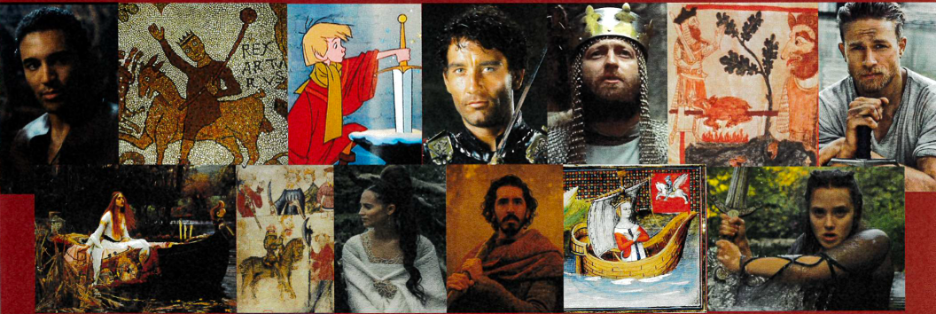 ENGL 317*: Arthurian Literature
Tuesday, Thursday 1:00-2:15 p.m.
Instructor: Emily Houlik-Ritchey
King Arthur traverses literature and culture as few other fictional figures. He has occupied the literary imagination for centuries, morphing as circumstances require to figure cultural desires – for exile and origin; for empire-expansion and insularity; for romance and betrayal; for untimely death and far-flung future hope. Arthur has given aesthetic and cultural expression to our most profound sorrows and provoked our heartiest laughs. His seemingly infinite cultural capital routinely returns him to screen and page with great variety; and we seem never to stop arguing over whose King he is and whose desires he represents (King of the Britons? But who are the Britons?). The staggering financial losses of, say, Guy Ritchie’s film King Arthur: Legend of the Sword suggests the surprising rigidity of the unspoken expectations we carry for this iconic figure (including class-based expectations), and how barbed the debates can get. Come explore the medieval and modern Arthurian imagination!
Satisfies:
*D1
English major core requirement (ENGL): Historical Foundations - periods before 1800
English minor core requirement (ENGM): Historical Foundations - periods before 1800
English major specialization: Literature & Literary History (LLH)
 ENGL 319: Fantasy & Science Fiction Creative Writing
Monday 4:00-6:30 p. m.
Instructor: Amber Dermont
In this class students will read, discuss and analyze a variety of classical and contemporary genres in order to compose and revise adaptations and original versions of fantasy and science fiction stories. Course counts toward the English Creative Writing Concentration (ECRW) and the English Creative Writing Minor (CREW). Registration for even-numbered sections is restricted to students who have declared the Creative Writing Major Concentration (ECRW) or Creative Writing Minor (CREW); registration for odd-numbered sections is open to all undergraduate students in priority order.
Satisfies:
English Creative Writing Concentration (ECRW)
Creative Writing Minor (CREW)
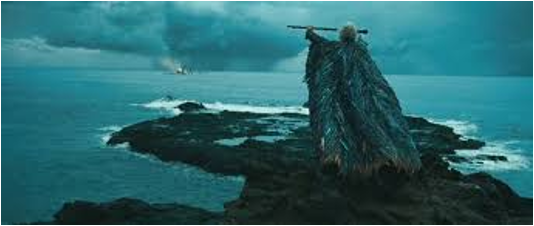 ENGL 320*: Shakespeare on Film
Tuesday, Thursday 9:25-10:40 a.m.
Instructor: Joseph Campana
Perhaps it was bound to happen. The playwright and poet who became a global icon and who worked across so many genres has had his works made and remade across a dizzying array of media. This course examines Shakespeare’s widely distributed and adapted works in the context of an ever-growing body of Shakespeare on screen. We’ll consider just how Shakespeare might have understood his own work with respect to what we now call “media.” We’ll consider the many ways Shakespeare has appeared on screens large and small: from the silent Shakespeare of the early 20th century to big budget Hollywood Shakespeare’s to mixed and multimedia productions to video, live-streaming, YouTube, and the ever-tinier confines of a mobile phone screen. In addition to consider Shakespeare’s many screens, we’ll try our hand at bringing Shakespeare to the screen ourselves. Works may include: Coriolanus, Macbeth, Titus Andronicus, Richard III, Romeo and Juliet, The Tempest, sonnets, and Ralph Fiennes’ Coriolanus; Akira Kurosawa’s Throne of Blood, Billy Morrisette’s Scotland, PA, and Justin Kurzel’s Macbeth; Julie Taymor’s Titus and Tempest, Richard Loncraine’s Richard III, BBC’s Hollow Crown, and Vishal Bhardwaj’s Omkara, Haider, and Maqbool.
Satisfies:
*D1
English major core requirement (ENGL): Historical Foundations - periods before 1800
English minor core requirement (ENGM): Historical Foundations - periods before 1800
English major specialization: Literature & Literary History (LLH); Visual & Comparative Media (VCM)
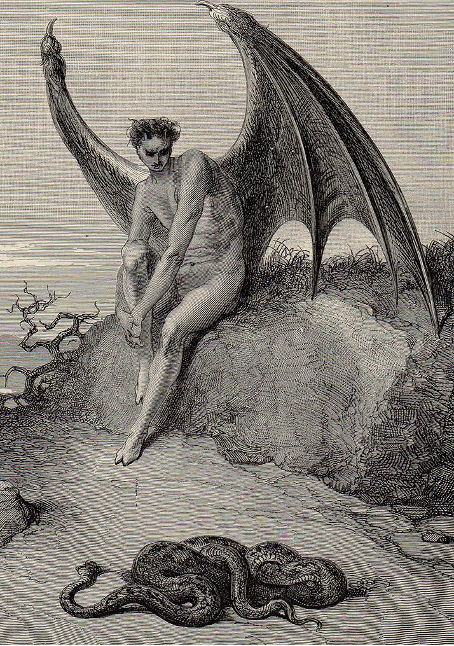 ENGL 328: Milton
Tuesday, Thursday 2:30-3:45 p.m.
Instructor: Benjamin Parris
This course examines the poetic works of the 17th-century writer and radical thinker, John Milton. Texts include earlier shorter poems; Milton’s masque, popularly known as Comus; his epic poems, Paradise Lost and Paradise Regained; and his tragedy, Samson Agonistes. We will carefully read Milton’s poetry in ways that reveal its participation in the major transformations in philosophical and scientific thought, government, religion, and political economy that define early modernity, while also asking how historical controversies and literary works from the past remain crucial to understanding political, scientific, ethical, and aesthetic formations in our contemporary world. All students welcome!
Satisfies:
English major core requirement (ENGL): Historical Foundations - periods before 1800
English minor core requirement (ENGM): Historical Foundations - periods before 1800
English major specialization: Literature & Literary History (LLH); Science; Medicine; Environment (SME)
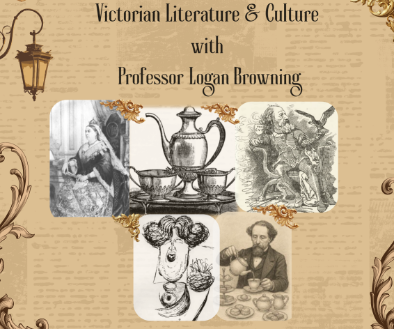 ENGL 341*: Victorian Literature & Culture
Monday, Wednesday, Friday 10:00-10:50 a.m.
Instructor: Logan Browning
We will explore some of the preoccupations and controversies of the Victorian era in Britain (1837-1901) through a study of three key literary texts (Dickens’s Oliver Twist [1837-38], Alfred Tennyson’s In Memoriam [1850], and Oscar Wilde’s The Importance of Being Earnest [1895]) along with a variety of verbal and visual texts drawn from a wide range of sources. These associated texts will include journalism, history, caricature, advertising, book and magazine illustration, and political speeches. Topics for reading and discussion will include Victorian ideas about the city, social organization, gender and sexuality, public health, empire (especially including Anglo-Indian relations), technological change (particularly the coming of the railways), and evolutionary science.
Satisfies:
English major core requirement (ENGL): Historical Foundations - periods before 1900
English minor core requirement (ENGM): Historical Foundations - periods before 1900
English major specialization: Culture & Social Change (CSC);Literature & Literary History (LLH)
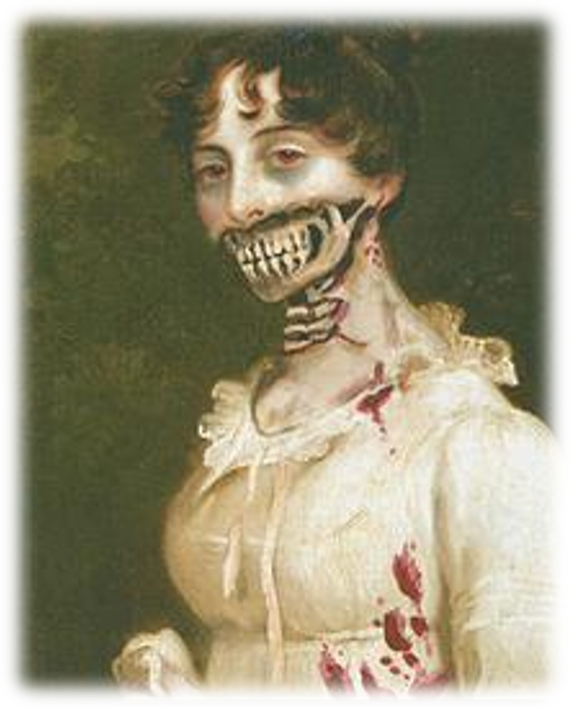 ENGL 343*: Jane Austen's Worlds--The Many Faces of Jane Austen
Tuesday, Thursday 4:00-5:15 p.m.
Instructor: Helena Michie
An exploration of Jane Austen as Regency writer and contemporary icon. The course will focus both on Austen's writing her novels--her juvenilia and her letters and on visual and textual adaptations of her work. This course is open to all interested students. Cross-list: SWGS 343.
Satisfies:
English major core requirement (ENGL): Historical Foundations - periods before 1900
English major core requirement (ENGL): Diverse Traditions (Race, Postcolonial & Gender (RPG)
English minor core requirement (ENGM): Historical Foundations - periods before 1900
English major specialization: Culture & Social Change (CSC); Literature & Literary History (LLH)
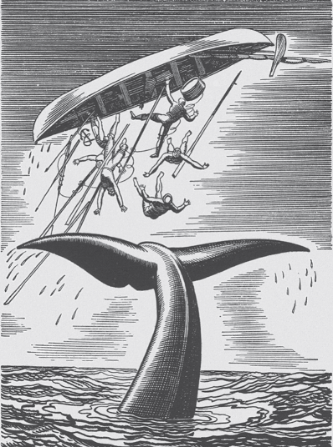 ENGL 360*: The Making of the American Working Class
Tuesday, Thursday 2:30-3:45 p.m.
Instructor: Clinton Williamson
This course will examine American literature spanning from the Age of Discovery to the Atlantic Revolutions and up through the Civil War (or, the Second American Revolution). Through readings of explorer testimonials, trial transcripts, journal entries, narratives of enslavement, utopian political treatises, dime novels, and major works of American fiction (including Walden and Moby-Dick) alongside field defining pieces of political economy and history from below, we will focus upon the coming-into-being of the American working class as a distinct cultural formation resistant to multiple forms of exploitation. Throughout, we will strive to discern how the particular social, political, and economic conditions of early America gave rise to a distinct fracturing between those who sought to maintain the customs of the commons amidst the rise of a private property regime and those who sought to shape an American polity around the subordination of labor to an ever consolidating and expanding capital.
Satisfies:
*D1
English major core requirement (ENGL): Historical Foundations - periods before 1800
English minor core requirement (ENGM): Historical Foundations - periods before 1800
English major specializations: Culture & Social Change (CSC); Literature & Literary History (LLH)
 ENGL 366: Stephen King Reading Club
Monday 3:00-5:30 p.m.
Instructor: José Aranda, Jr.
Beginning with his debut novel, Carrie, in 1974, Stephen King has regaled generations of readers with the underside, the darkside, the road less traveled in American society. For long-time readers of his fiction, it has never been just about the knock at the door at midnight or the static at the end of a phone call, but rather the emotional and spiritual toll that accompanies the everyday horrors of bullying, loneliness, bereavement, fear, and desperation. It is through his characters, so often placed in settings and circumstances at once estranged from reality but otherwise totally recognizable, that King strives to find the best of humanity in moments of complete despair. It is precisely in these moments that he ponders what it takes to stand witness, and more difficult yet, to make sacrifices for others no one else imagines possible.
This course seeks to understand one of the most prolific writers of our time, and how his fiction has shaped American culture for over five decades. We will survey some of King’s most-read, most influential novels. The overall goal is to explore how we as readers are challenged to engage the world as it is, to contest the evils of the world perhaps first in our minds and perhaps later through our actions. To this task, we will keep journals to chronicle our readings of this fiction. All assignments in this course will flow in and out of these journals. We will convert our classroom into a book club, provoking us to share ourselves as readers. Course is open to all students.
Satisfies:
English major specializations: Culture & Social Change (CSC); Literature & Literary History (LLH)
 ENGL 368*: Literature & the Environment
Monday, Wednesday, Friday 11:00 -11:50 a.m.
Instructor: Chaney Hill
A course that asks the question: How does literature express or shape environmental values? In this class we will read American fiction and nonfiction exploring the relationship between human and nonhuman nature. Themes and topics change semester to semester.
Satisfies:
D1
English major specializations: Culture & Social Change (CSC); Science, Medicine & Engineering
 ENGL 370*: African American Literature
Tuesday 6:00-8:30 p.m.
Instructor: Phillip B. Williams
A course that traces, through various genres and themes, African American literary history from the late eighteenth century to the present. Attention is given to theories and critiques of African American literature and culture. This course is open to all students.
Satisfies:
*D1
Analyzing Diversity (AD)
English major core requirement (ENGL): Diverse Traditions (Race, Postcolonial & Gender/RPG)
English minor core requirement (ENGM): Diverse Traditions (Race, Postcolonial & Gender/RPG)
English major specializations: Culture & Social Change (CSC); Literature & Literary History (LLH)
 ENGL 383*: Global Fictions
Monday, Wednesday 4:00-5:15 p.m.
Instructor: Betty Joseph
What is the newer literary fiction that has emerged in the force field of globalization?
This course examines recent works in English by American, British, and international writers that present inventions of the novel as a global form. We will read four or five award-winning novels that bring new and emergent contemporary realities to our attention. We will explore the profound and creative ways these works address everyday life amidst the complexities and abstractions of transnational issues, such as climate change, economic globalization, cultural hybridity, immigration, war, technological restructuring, and political activism. The course will study genres such as cli-fi, planetary narratives, autofiction, modern epics, cyberpunk, archival fictions.
The course will also introduce you to theories of the novel that will advance your understanding of how narratives represent reality at various scales, from the subjective to the systemic. How fiction addresses its para-national reading audiences. And how novels today use multi-media tools—artistic, cinematic, electronic, musical, and visual--to represent the complex realities of the contemporary world.
Satisfies:
*D1
Analyzing Diversity (AD)
English major core requirement (ENGL) Diverse Traditions: Race, Postcolonial, Gender (RPG)
English minor core requirement (ENGM) Diverse Traditions: Race, Postcolonial, Gender (RPG)
English major specialization/s: Culture & Social Change (CSC); Literature & Literary History (LLH)
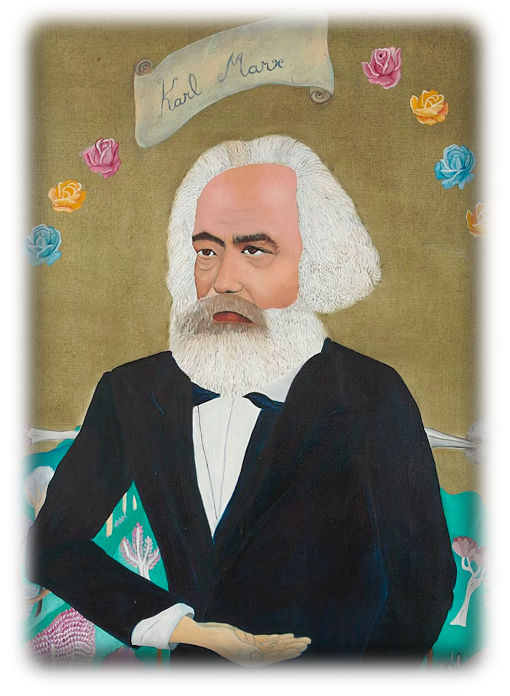 ENGL 387: Cultural Studies in Marxist Theory-Marxism & Literary Studies
Tuesday, Thursday 1:00-2:15 p. m.
Instructor: Clinton Williamson
Not we, but reality itself is Marxist in its structure; and the Marxist is not a member of some peculiar sect, with its own determinate beliefs and terminology, but rather one who tries as best they can to approximate that reality and to come to active terms with it,in literature as elsewhere.
—Fredric Jameson, “Allegories of the Hunter”
This course will pursue a rigorous study of Marx’s texts as an entryway into discerning his method to see how it has come to shape fields such as critical theory, political economy, and historiography which have themselves been integral to forming the bedrock of Marxist literary studies. Throughout, our goal will be to see how Marx’s thought opens up possibilities for literary studies which are open-ended and pluralistic rather than determinative and foreclosed. We will consider work from across Marx’s vast oeuvre, looking to the young Marx’s tarrying with communism, revolution, and freedom, the mature Marx’s extensive critiques of political economy, and the late Marx’s turn to anthropological studies of indigeneity and peasant resistance. We will couple our studies of these primary source readings by examining how Marx’s work became utilized by various literary and cultural critics across the twentieth and twenty-first centuries. Authors we will read may include but are not limited to: Viktor Shklovsky, Pierre Macherey, Jacques Rancière, Tillie Olsen, Raymond Williams, Fredric Jameson, E.P. Thompson, Stuart Hall, Silvia Federici, Mike Davis, Kristin Ross, Joshua Clover, Annie McClanahan, the Endnotes Collective, and Jasper Bernes.
This course is open to all students!
Satisfies:
English major specializations: Culture & Social Change (CSC); Literature & Literary History (LLH)
 ENGL 401: Advanced Fiction Writing
Thursday 1:00-3:30 p.m.
Instructor: Ian Schimmel
A course conducted mostly as a workshop for advanced fiction writers. It will include assigned writing exercises and weekly readings of published stories to deepen students' understanding of narrative technique. Course counts toward the English Creative Writing Major Concentration (ECRW) and the English Creative Writing Minor (CREW). Prerequisite ENGL 301. Seating is limited.
Satisfies:
English Creative Writing Concentration (ECRW)
Creative Writing Minor (CREW)
 ENGL 403: Craft of the Novella
Monday, 12:00-2:30 p.m.
Instructor: Andrea Bajani
A course conducted primarily as a novella workshop for advanced fiction writers. It will include assigned writing exercises and weekly readings of novellas to deepen students' understanding of the form. Course counts toward the English Creative Writing Major Concentration (ECRW) and the English Creative Writing Minor (CREW). Prerequisite ENGL 301. Seating is limited.
Satisfies:
English Creative Writing Concentration (ECRW)
Creative Writing Minor (CREW)
 ENGL 404: Advanced Poetry Writing
Monday 6:00-8:30 p.m.
Instructor: Phillip Williams
An in-depth study of contemporary poetry, this course emphasizes the careful analysis of books by six to eight contemporary poets, the reading of selected essays on poetic technique, and the writing of poems with a view toward finding a personal voice. Course counts toward the English Creative Writing Major Concentration (ECRW) and the English Creative Writing Minor (CREW).ourse conducted mostly as a workshop for advanced fiction writers. It will include assigned writing exercises and weekly readings of published stories to deepen students' understanding of narrative technique. Seating is limited.
Satisfies:
English Creative Writing Concentration (ECRW)
Creative Writing Minor (CREW)
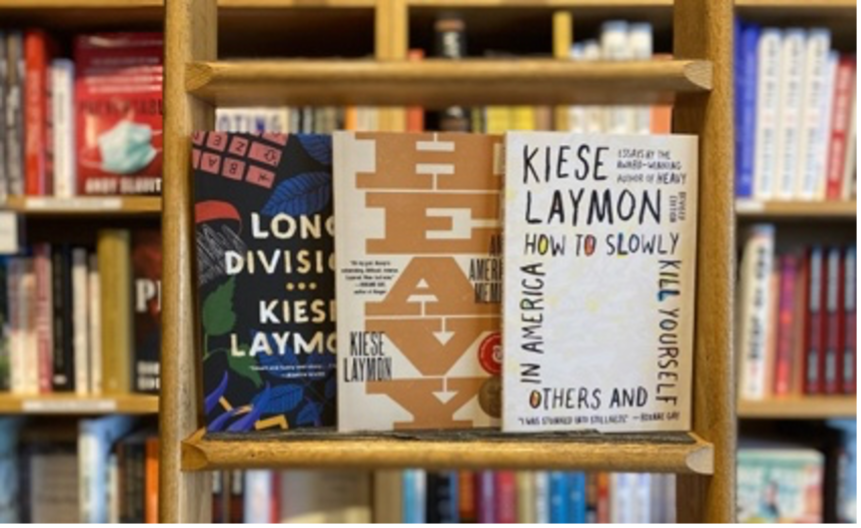 ENGL 405: Advanced Creative Nonfiction Writing
Wednesday 6:00-8:30 p.m.
Instructor: Kiese Laymon
An advanced reading and writing workshop for writers who have some familiarity with the nonfiction genre. Published works will be read as blueprints for the construction of student work. Course counts toward the English Creative Writing Major Concentration (ECRW). Prerequisite(s): ENGL 305 OR ENGL 309. Seating is limited.
Satisfies:
English Creative Writing Concentration (ECRW)
Creative Writing Minor (CREW)
 ENGL 410: Senior Seminar
Friday 1:00-3:50 p.m.
Instructors: Helena Michie; Andrew Kraebel
The Senior Seminar is an immersive research and writing methods course required of students pursuing one of the areas of specialization in the English Major. Similar to other senior design and research courses throughout the university, the Senior Seminar engages students in the deeper and more rewarding processes of sustained critical writing and research, and offers all students the opportunity to prepare and build an independent research project with sustained faculty support.
Note: For majors/students who intend to graduate in December or who plan to study abroad in their senior year, the senior seminar may begin in the junior year and completed in the senior year. Special circumstances such as this one will be advised by the Director of Undergraduate Studies in the English department. This course is restricted to English literature majors in the fall semester of their senior year.
 ENGL 493.000: Independent Study
Spring meeting times are to be determined by an English faculty member and the student (via permission of instructor; credit variable 1-6)
A course designed for students who want to pursue intensive semester-long study of a particular topic. Students must identify and receive the approval of an English department faculty member and complete a special registration form as directed. Registration is by permission of instructor.
Satisfies: determined by the director of undergraduate studies
ENGL 493.001: Independent Study-R2/Section Editors
Tuesday 6:30-9:00 p.m.
>>Instructor: Ian Schimmel
ENGL 493.002: Independent Study-R2/Editors-in-Chief
Tuesday 6:30-9:00 p.m.
>>Instructor: Ian Schimmel
 ENGL 493.003: Independent Study with Dr. Aranda "The Book Hour Club"
Thursday 4:00-4:50 p.m. CRN: 15710 via ESTHER override.
>>Instructor: Jose Aranda
Contact Dr. Aranda for a special registration/permission to register for this 1 credit hour class.
Major & Minor Notes:
ENGL: English Major
ENGM: English Minor
CREW: English Creative Writing Minor
ECRW: English Creative Writing Concentration
*D1: approved for Distribution Group 1. These courses are open to all Rice students
AD: Analyzing Diversity approved (consult Registrar's website for current listing
English Department Required Field/s satisfied:
Diverse Traditions: Race, Post-colonial & Gender (RPG)
Historical foundations: pre-1800/1900 (specifically as noted for pre-1800)
Meets Rice English major specialization/s:
Culture & Social Change (CSC)
Literature & Literary History (LLH)
Science; Medicine & Environment (SME)
Visual & Comparative Media (VCM)
Seating is limited in some creative writing courses. Registration for even-numbered sections is restricted to students who have declared the Creative Writing Major Concentration (ECRW) or Creative Writing Minor (CREW). Registration for odd-numbered sections is open to all undergraduate students in priority order when space is available.